BySonu
168.100.81 Router Network Setup Guide
The 168.100.81 Router Network Setup Guide presents a methodical framework for establishing a secure local network. It emphasizes acting as the internal gateway and maintaining auditable, repeatable procedures. Defaults, credentials, and documented parameters form the baseline. Wi‑Fi security, strong authentication, and disciplined access controls are prioritized, followed by a structured troubleshooting workflow that first verifies security configurations. Practical notes acknowledge firmware quirks and hardware nuances, inviting further, disciplined execution to uncover the next essential detail.
What Is the 168.100.81 Router and Why It Matters
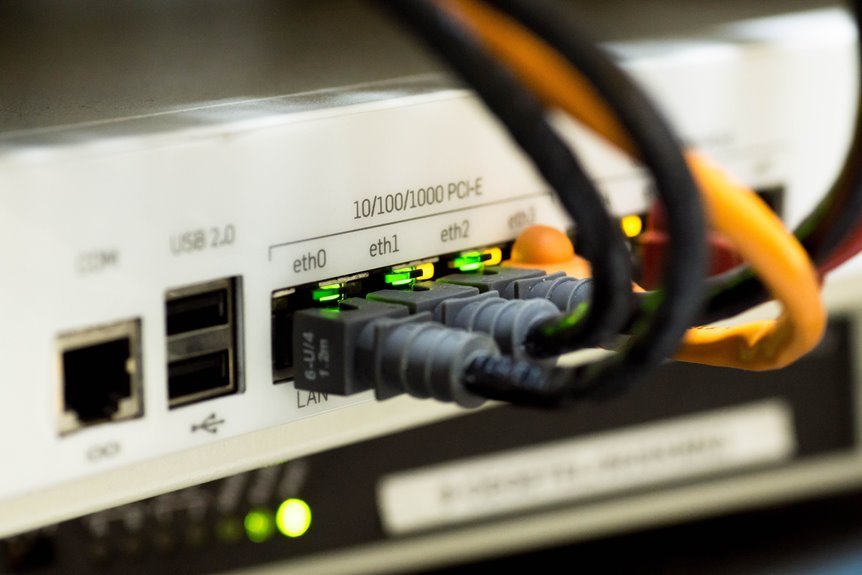
The 168.100.81 router is a network device that serves as the gateway for local devices on its assigned subnet, handling data routing between internal networks and external destinations.
It clarifies traffic flows, enforces access boundaries, and enables remote reach.
This analysis notes old habits, firmware quirks, new topics, and hardware quirks shaping performance, reliability, and freedom to explore network potential.
Set Up Your Network: Initial Configuration and Defaults
Initial configuration begins with establishing a baseline: access credentials, default IP address, and administrator privileges are verified, set, and documented before any changes are applied.
The process outlines network onboarding steps, logging baseline parameters, and recording default settings.
A controlled, repeatable protocol ensures reproducibility, minimizes risk, and preserves freedom to adjust later while maintaining a stable, auditable configuration baseline.
Secure and Optimize: Wi-Fi, Passwords, and Access Controls
Effective wireless and device protection requires a disciplined approach to configuring Wi-Fi settings, selecting strong authentication methods, and enforcing strict access controls. The guide emphasizes secure passwords and robust access controls, detailing wireless security protocols, encryption standards, and device permissions. It prescribes disciplined credential management, periodic audits, and principle-based access. This methodical approach supports freedom by minimizing risk while preserving configurable autonomy.
Troubleshooting and Common Fixes for Connectivity Issues
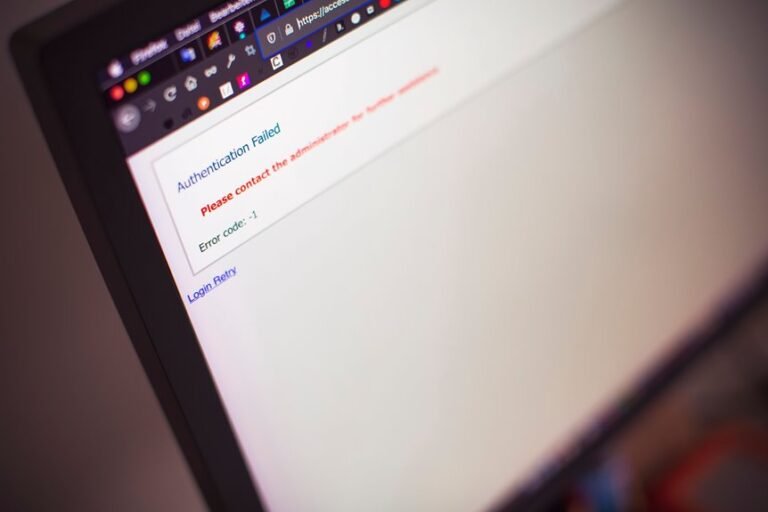
Connectivity issues on the 168.100.81 router network are addressed through a structured troubleshooting workflow that begins by verifying baseline configurations established in the prior security-focused subtopic. The procedure emphasizes isolation of variables, systematic testing, and documented fixes. In practice, unrelated topic exploration, random abstractions, and even color theory may be set aside to preserve objective diagnostic focus.
Frequently Asked Questions
How Do I Reset the Router to Factory Defaults?
A reset procedure is performed by holding the device’s reset button for ten seconds, then releasing. This factory reset restores default settings, erasing custom configurations and passwords, and reinstating network security defaults for subsequent setup and troubleshooting.
Can I Change the Router’s Default IP Address?
A bright path unfolds as the router’s default IP can be changed, though steps vary by model and firmware. The process involves accessing the admin interface, altering the LAN IP, and applying changes after confirming; change password, firmware updates follow.
What Is the WAN Failover Option for This Model?
WAN failover options exist for this model, though exact implementations depend on router compatibility. The device supports multiple WAN sources and automatic failover configurations, requiring supported interfaces and correctly paired backup services to maintain uninterrupted connectivity.
How Do I Set up a Guest Network Policy?
Guests connect to a guest network; policy setup ensures wifi security and controlled guest access. The procedure requires enabling a separate SSID, defining bandwidth and time limits, applying firewall rules, and auditing logs for ongoing compliance.
Are There Known Compatibility Issues With Modems?
Yes, there are compatibility quirks with certain modems. The analysis notes modem handshake issues can arise due to firmware, MTU, and Ethernet negotiation, requiring updated firmware, standardized DOCSIS settings, and controlled reboot sequences for reliable operation.
Conclusion
In sum, the 168.100.81 router network setup guide provides a disciplined framework for establishing a secure, auditable local network. By standardizing defaults, credentials, and access controls, it ensures reproducible configurations and predictable behavior. The methodology prioritizes verification of security parameters before troubleshooting, reducing downtime and exposure. The process is a well-tuned machine: each component interlocks with the next, maintaining steady performance. Like a compass, it keeps the network directorate aligned toward reliable connectivity and measurable security.