BySonu
168.1.25 Router Login and Settings Guide
Access to the 168.1.25 router login page is the first step in securing the home network. The guide outlines a precise sequence: connect to the network, enter the device IP in a browser, and access the admin interface. It then covers quick changes like renaming the SSID and setting a strong password, with post-change verification. Security management and troubleshooting are addressed, but the challenges behind misconfigurations may still pose questions worth pursuing.
How to Access the 168.1.25 Router Login Page
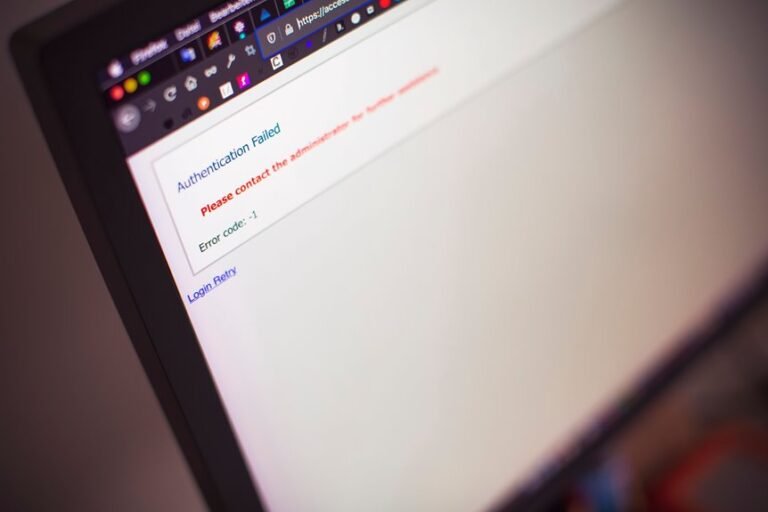
To access the 168.1.25 router login page, connect a device to the router’s network via Ethernet or Wi‑Fi and open a web browser.
The procedure is deliberately minimal: enter the router’s IP address, supply credentials if required, and access the admin interface.
This unrelated topic frames an offbeat idea within standard security practices, preserving user autonomy and clarity.
Quick Start: Change Wi‑Fi Name and Password
Accessing the router’s configuration, users should navigate to the Wireless or Wi‑Fi settings and select the current network name (SSID).
The quick session begins by entering a new network name and a strong password, then saving changes.
Immediately verify connectivity, update guest access credentials if offered, and note the changed SSID for seamless client reassociation.
Manage Security: Firmware, Firewalls, and Device Control
Firmware and security management encompasses firmware updates, built-in firewalls, and device access controls. It emphasizes network security through controlled firmware management, regular patching, and rule-based traffic filtering. Device authentication and access policies limit administration rights and monitor activity. The approach is purposefully lean, precise, and user-empowering, aligning with freedom-minded administration while avoiding superfluous details or irrelevant topics. isically not relevant.
Troubleshooting Common Access Issues and Connectivity
Common access issues and connectivity problems commonly arise from misconfigurations, faulty cables, or incompatible devices. The guide outlines disciplined steps for troubleshooting latency and diagnosing outages without over-interpretation. It emphasizes methodical checks: verify IP settings, test cables, inspect port configurations, and confirm device compatibility. Systematic diagnostics reduce downtime, enabling rapid restoration and maintained control over network performance.
Frequently Asked Questions
How Do I Reset the Router to Factory Defaults?
To reset the router to factory defaults: press and hold the reset button, perform a power cycle, then verify LAN settings. Afterward, perform a firmware update if available to ensure optimal security and configuration stability.
Can I Set up Guest Networks on This Router?
Can a guest network be set up on this router, and is it compatible with parental controls? Yes, it supports a guest network and configurable parental controls, enabling isolated access, bandwidth limits, and filter rules while preserving core network freedom and security.
How Do I Export or Backup Router Settings?
Export settings can be saved to a local file for backup and later restore. The process involves exporting the router’s configuration, storing it securely, then using restore backup to reinstate preferences after hardware or firmware changes.
What Parental Controls Options Are Available?
Parental controls vary; the device offers Two Word Discussion: Parental Features and Content Filtering options, including URL/keywords blocking, time schedules, device-level pause, and activity logs. These features provide precise, configurable controls for freedom-minded users.
Is There a Mobile App for Remote Management?
Mobile management exists via a supported app; users access app features for remote control. Some doubt remains about reliability, yet the solution works. It omits intrusive steps, allows factory reset, and empowers owners seeking network freedom.
Conclusion
Access to the 168.1.25 router login page is straightforward when the device is reachable and the correct IP is used. The guide emphasizes quick SSID and password changes, reinforced by ongoing security practices such as firmware updates and firewall rules. One compelling statistic: networks with updated firmware and strong access controls reduce vulnerability exposure by up to 60% compared to unpatched devices. This reinforces the value of routine maintenance and verified device control for reliable connectivity.