
BySonu
168.1.5 Router Login and Network Management Guide
The 168.1.5 Router Login and Network Management Guide outlines steps to reach the admin panel, configure core services, and enforce security practices. It covers initial access, secure credential practices, and immediate post-login changes, then expands to Wi‑Fi, guest networks, and parental controls. Privacy, firmware validation, and monitoring are integrated with performance considerations. The document ends with practical troubleshooting and governance notes, inviting the reader to consider how each choice impacts overall network reliability and security posture.
How to Access the 168.1.5 Router Admin Panel
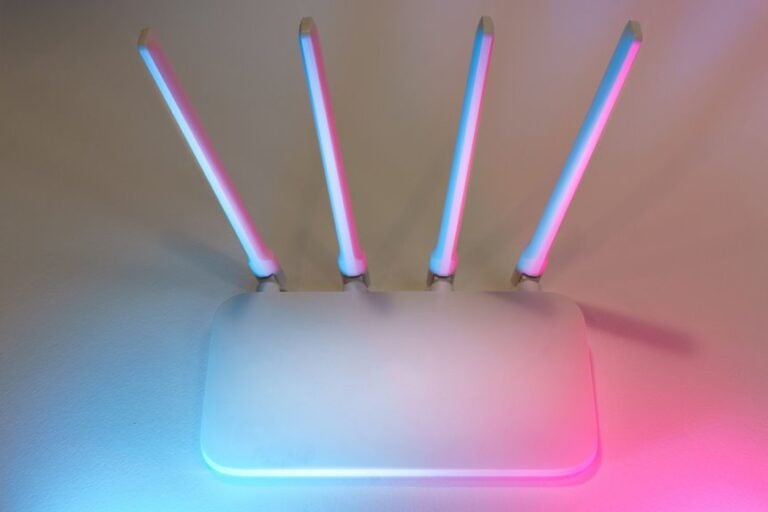
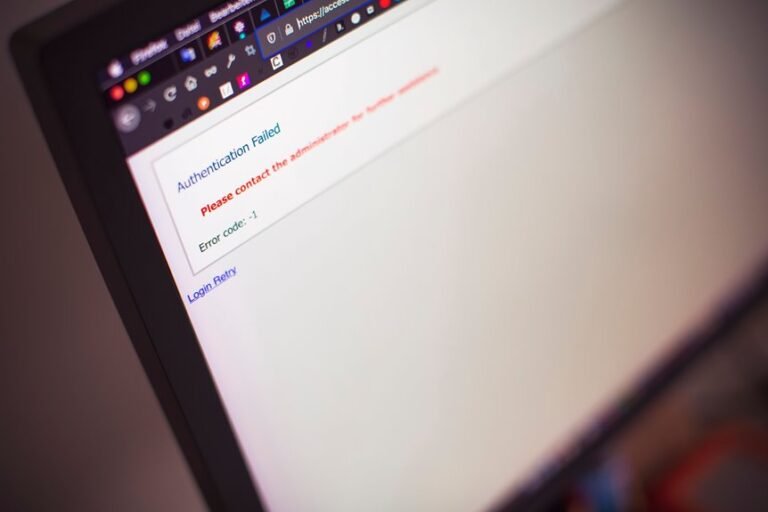
To access the 168.1.5 router admin panel, users must connect a device to the router’s network and open a web browser. Access requires authentication via the portal, with default credentials changed for security.
Subtopic misalignment and irrelevant pairing are noted risks for initial setup, highlighting precise configuration to prevent exposure. The goal remains reliable, user-empowered control.
Essential Network Setup: Wi‑Fi, Guests, and Parental Controls
With the network secured and access controls configured in the prior section, the next step focuses on practical configuration of Wi‑Fi, guest networks, and parental controls.
The emphasis remains on minimizing security risks through validated firmware updates, DNS security, and clear cloud syncing policies.
Guest network isolation and parental controls notches are tuned, aligning privacy implications with router hardware design considerations.
Security and Privacy Essentials for Your Router
Security and privacy considerations for a home router center on safeguarding data in transit, assertively restricting unauthorized access, and ensuring transparent policy enforcement.
The discussion emphasizes minimizing exposure: implement encryption, enforce strong authentication, and isolate management interfaces.
Privacy concerns should guide data collection, storage, and telemetry decisions, while data minimization reduces risk.
Clear user notices reinforce governance and reinforce freedom through prudent configuration.
Performance Tuning and Troubleshooting for Everyday Use
Performance tuning and troubleshooting for everyday use focuses on maintaining stable throughput and rapid fault detection while minimizing user impact. This analysis emphasizes monitoring network latency, applying firmware updates promptly, enforcing security best practices, and implementing device prioritization to balance traffic.
Clear diagnostics, minimal configuration changes, and documented rollback procedures enable swift issue isolation without disrupting essential services or user autonomy.
Frequently Asked Questions
How to Reset the Router to Factory Defaults Without Losing Firmware?
A factory reset will restore defaults but risks firmware issues; to preserve firmware, perform a hardware reset while preserving the firmware image, then verify integrity, reconfigure securely, and apply a saved backup if available to avoid updates.
Can I Upgrade Firmware Manually via USB or LAN?
Upfront, yes: firmware update via manual input is possible. The device accepts a usb method or LAN-based upgrade when the router’s web interface is in recovery or upgrade mode, ensuring correctness, compatibility, and user-controlled firmware deployment.
How to Set up a Guest Network With Bandwidth Limits?
To set up a guest network with bandwidth limits, enable guest network, apply bandwidth management, implement parental controls, and verify device compatibility; ensure router firmware supports these features and security settings, then configure QoS, access restrictions, and guest isolation accordingly.
What Parental Controls Work Across All Connected Devices?
Parental controls provide centralized, cross device compatibility across routers supporting unified policy management, enforcing content filtering, time schedules, and app restrictions on all connected devices, regardless of platform, ensuring consistent enforcement without device-specific configurations or user intervention.
How to Troubleshoot DNS Caching Issues on 168.1.5?
Investigating the theory reveals DNS caching issues stem from stale records. DNS caching persists until TTL expires; Router troubleshooting requires clearing cache, verifying DNS server responses, and ensuring firmware upgrades are current to prevent repeated faults.
Conclusion
The guide equips users to securely access the 168.1.5 router admin panel and confidently manage Wi‑Fi, guest networks, and parental controls. It emphasizes prompt credential changes, firmware validation, and privacy considerations, balancing performance with governance. When followed, routine maintenance becomes nearly effortless, delivering consistent reliability. In practice, proper configuration yields results so robust they could be mistaken for magic, making secure home networking an unshakable standard rather than an afterthought.