BySonu
168.1.225 Router Dashboard Login Guide
The guide on the 168.1.225 router dashboard login presents a precise, methodical path for access and setup. It outlines locating the login page, valid credentials, and reset procedures, followed by essential first-time security steps. It also addresses common obstacles and the proper sequence for repairs or updates. The document ends with actionable next steps that compel the reader to proceed with careful verification, configuration, and ongoing protection, ensuring nothing is overlooked.
How to Locate the 168.1.225 Login Page
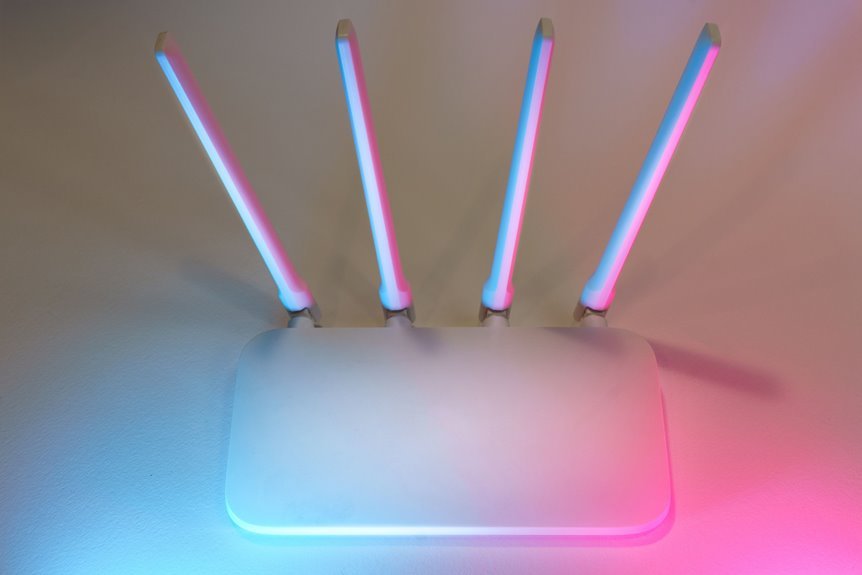
To locate the 168.1.225 login page, the user should begin by ensuring device connectivity to the router’s network.
The process then follows methodical steps: access a browser, enter the default gateway, observe the login prompt, and verify network status.
This demonstrates finding login and reinforces router basics for secure, autonomous access and freedom through informed discovery.
What Credentials to Try and How to Reset Them
What credentials should users attempt first, and how should they reset them if necessary? Default credentials are the initial access keys held by the router. If login fails, perform a firmware update to ensure the device runs current security. Reset by pressing the recessed Reset button for ten seconds, then restore network settings. Reattempt login with default, then customize for secure, lasting access.
First-Time Setup Steps After Login (Security, Wi‑Fi Name, and Password)
Upon gaining access, the user should immediately secure the router by configuring a strong, unique admin password and enabling local management only if appropriate. A structured first-time setup follows: set a clear Wi‑Fi name, implement a robust password, and enable guest isolation if needed. Conduct a security audit, verify firmware update availability, and apply updates promptly for continued freedom and resilience.
Troubleshooting Common Login Roadblocks and Next Steps
After completing the initial security and configuration steps, users may encounter common login hurdles that impede access to the router dashboard. Clear verification of device connectivity, correct IP entry, and disciplined credential management address most issues. Systematic steps include reseeding the browser, disabling proxies, and refreshing sessions.
Emphasize security optimization and a firmware update before retrying authenticated access for lasting results.
Frequently Asked Questions
Can I Access the Router Login From a Mobile Device?
Yes, mobile access is possible, though it depends on browser compatibility and router settings. The device should use a modern mobile browser, and the admin interface must be enabled. Ensure secure network access and updated firmware for reliability.
How Do I Enable Remote Management After Login?
Enable remote management by navigating to the router’s Admin access panel, enabling Remote/Internet access, and applying a secure password. After saving, test Mobile login from an external network. Enable remote cautiously to preserve network freedom.
What Browsers Are Best for the Login Page?
Historically, 87% of users prefer up-to-date browsers for reliability. The best choice varies by device, but browsers compatibility is key; ensure the login page security is maintained across Chrome, Edge, Firefox, and Safari for robust access.
How Do I Check for Firmware Updates Post-Login?
To check for firmware updates post-login, the user navigates to System or Administration, selects Firmware or Updates, and initiates a check. This process considers device compatibility, confirms browser performance, and documents updating post login steps for accuracy.
Can I Recover a Forgotten Admin Username?
One in five administrators forget credentials; recovery is possible. The user should initiate a password reset via the router’s official recovery flow, verify ownership, and create a new admin account. Forgotten credentials are resolvable through proper password reset steps.
Conclusion
In the quiet hum of the router’s chassis, the login page glows like a doorway to control. A patient cursor traces paths through menus as if mapping a safe passage for data. Each click lights a small beacon—passwords, SSIDs, guest isolation—forming a forensic trail toward security. The device settles into a steady rhythm, firmware updated, settings polished, and the network takes on a disciplined, guarded glow, ready to defend every digital heartbeat.