BySonu
168.1.22 Router Admin Panel Guide
The 168.1.22 Router Admin Panel Guide provides a concise overview of locating, securing, and configuring a local router interface. It emphasizes verifying the gateway address, logging in with strong credentials over HTTPS, and enabling optional two-factor authentication. Core settings—Wi‑Fi, passwords, and firmware—are outlined with attention to encryption and update practices. The document also notes authentication checks to prevent phishing and hints at hidden advanced options for power users, inviting careful exploration and disciplined maintenance.
What Is the 168.1.22 Router Admin Panel and Why It Matters
The 168.1.22 Router Admin Panel is the web-based interface used to configure and monitor a router assigned the 168.1.22 local IP address range. It centralizes control, enabling secure access, traffic monitoring, and rule definition.
This pane supports network security considerations, including authentication and firewall settings, while streamlining firmware updates to maintain performance, resilience, and feature availability for empowered networking.
How to Locate the 168.1.22 IP Address for Your Router
Locating the 168.1.22 IP address for a router begins with identifying the device’s network interface and its assigned gateway.
The process emphasizes networking basics: consult the operating system’s network settings, observe the default gateway, and confirm the address via command prompts.
This method respects router branding while maintaining precise, structured steps and a clear, freedom-oriented perspective.
How to Log In Securely and Verify You’re on the Right Panel
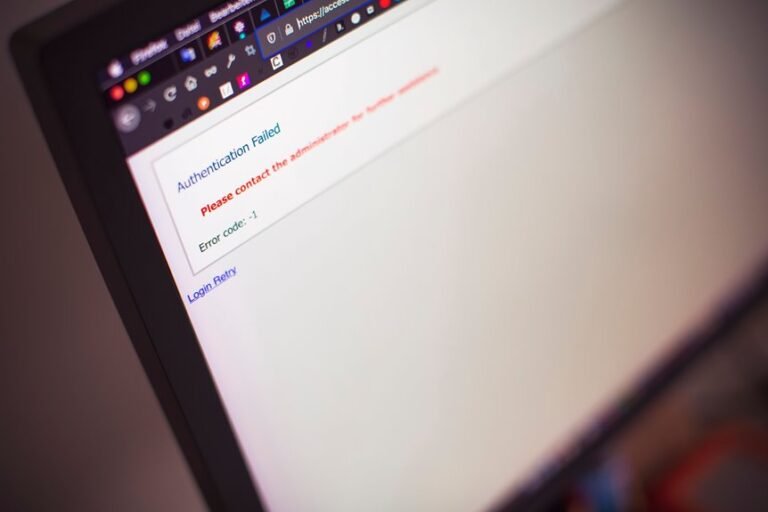
Accessing the router admin panel requires verifying authentication details before proceeding. The process emphasizes secure access via a direct URL, HTTPS, and valid certificate checks. User credentials must be entered on the official login page, using strong passwords and, when available, two‑factor authentication. Phishing awareness is essential to avoid spoofed panels; always confirm the exact domain and panel branding.
Essential Settings to Tune: Wi‑Fi, Passwords, and Firmware
Navigating essential settings involves configuring Wi‑Fi parameters, strengthening passwords, and ensuring firmware is current to maintain security and performance.
The section presents precise, structured guidance on optimizing SSIDs, channels, encryption, and guest access, while applying disciplined password policies and firmware checks.
It notes dusty attic storage of obsolete options and highlights hidden features for advanced users seeking freedom and efficiency.
Frequently Asked Questions
How Do I Reset the Router to Factory Defaults?
Reset procedure: locate the hardware reset button, press and hold for 10–15 seconds, then release. Factory reset restores default settings. After reboot, reconfigure Remote management and Guest network setup to suit preferred access policies and security standards.
Can I Change the Default Admin Username?
Yes, the default admin username can be changed. To secure access, implement a strong, unique username and set a new password; disable unnecessary remote management unless securely required, and restrict remote access to trusted IPs.
What Is the Best Security Protocol for Wpa2/3?
Can a precise answer emphasize best options? The best security protocol for WPA2/3 is WPA3 with SAE and strong key management; it aligns with security best practices and threat modeling, enabling robust privacy while preserving user autonomy and freedom.
How Often Should I Update Router Firmware?
Firmware updates should be applied promptly when released, and periodically checked for thereafter. In practice, maintain automatic updates if available, or verify biweekly. Two word discussion ideas emphasize proactivity and resilience; router security remains the focal objective.
Why Is My Router IP Address Changing Sometimes?
IP address changes due to DHCP reassignment, network reconfiguration, or ISP-provided dynamic addressing; this reflects typical behavior rather than a fault. two word discussion idea 1: lease renewal. two word discussion idea 2: address stability.
Conclusion
In sum, the 168.1.22 router admin panel functions as the control room for a network’s vitality. When navigated with precise IP targeting, HTTPS login, and strong credentials, it becomes a locked vault rather than a breezy doorway. Firmware updates are the heartbeat; encryption and robust password policies are the backbone; guest access, if enabled, is a prudent shield. Regular audits ensure the security fabric remains intact, resilient against intruders and misconfigurations.