BySonu
1.1.1.8090 Router Admin Login Guide
The 1.1.1.8090 Router Admin Login Guide outlines how to access the local web interface for configuration and management. It begins with locating the device’s default IP and login credentials, typically found on labels or manuals. The guide then covers securing and personalizing the admin dashboard, plus steps to troubleshoot access issues. It also addresses firmware updates and maintaining reliability. A careful, repeatable approach is essential, but questions remain about optimal credential practices and future updates.
What Is the 1.1.1.8090 Router Admin Page
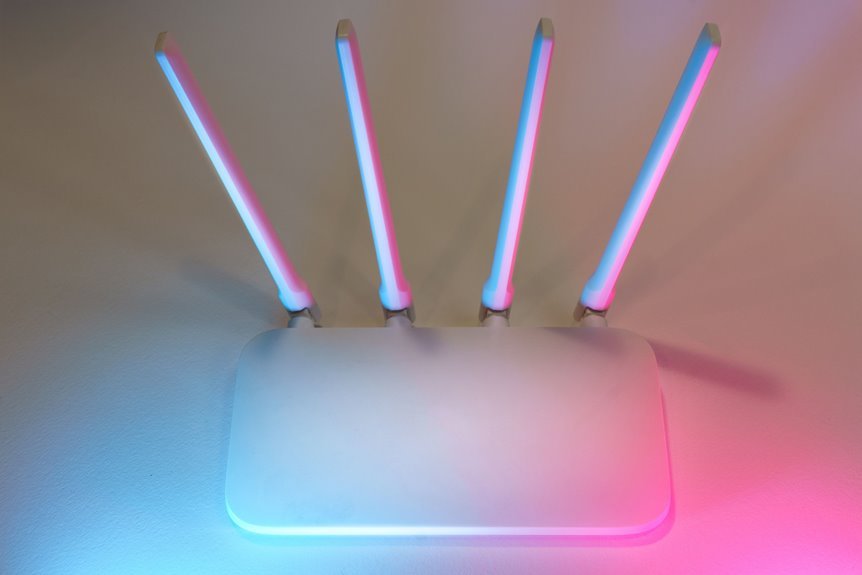
The 1.1.1.8090 Router Admin Page refers to the local web interface used to configure a router that uses the 1.1.1.8090 IP address for management access. It presents settings, status data, and controls in a structured layout.
Awareness of unrelated topic and tangential suggestion facilitates broader understanding, though these elements remain supplementary and not central to essential configuration tasks.
Find the Default IP and Login Credentials
To locate the default IP and login credentials, consult the router’s documentation or the label on the device itself, as these sources typically list the management address and factory settings. The default ip and login credentials are commonly shown on the sticker or in manuals. Note differences by model; preserve accuracy, avoiding unnecessary details. Accessibility and clarity support informed setup without confusion.
Secure and Customize Your Admin Dashboard
Securing and personalizing the admin dashboard begins with locking access controls and establishing a clear, consistent configuration baseline. The approach emphasizes secure logging to monitor events and performance, enabling rapid anomaly detection.
Dashboard customization should align with user roles, branding, and workflow preferences, while preserving security.
Documented presets and clear revert options support deliberate, freedom-oriented setup without compromising integrity.
Troubleshoot Login Issues and Firmware Updates
Troubleshooting login issues and applying firmware updates follow from securing access controls and monitoring practices by establishing reliable authentication workflows and update procedures.
The process emphasizes brief troubleshooting steps, such as verifying device reachability, resetting credentials, and confirming firmware compatibility.
Careful, repeatable routines minimize downtime while ensuring firmware updates are tested, staged, and documented for ongoing system integrity and user autonomy.
Frequently Asked Questions
Can I Change the Router’s Default DNS Safely?
Yes, one can change DNS safely if performed with care. The user should document current settings, update firewall rules to allow trusted DNS servers, and test connectivity afterward. Changes must maintain security posture while preserving network accessibility and reliability.
How Often Should I Update Firmware Automatically?
Ironically, a cautious approach says firmware updates occur automatically as offered, rarely needing manual intervention; trust the device to protect mobility. Firmware update cadence varies, but enabling automatic updates supports a secure, adaptable mobile login experience.
Is Admin Access Possible via Mobile Data Networks?
Yes, admin access is possible over mobile data networks, but risks exist; ensure firmware security, use strong credentials, and enable encrypted connections. For login troubleshooting, verify network stability, confirm admin panel exposure, and monitor unauthorized attempts.
What to Do if the Page Loads but Login Fails?
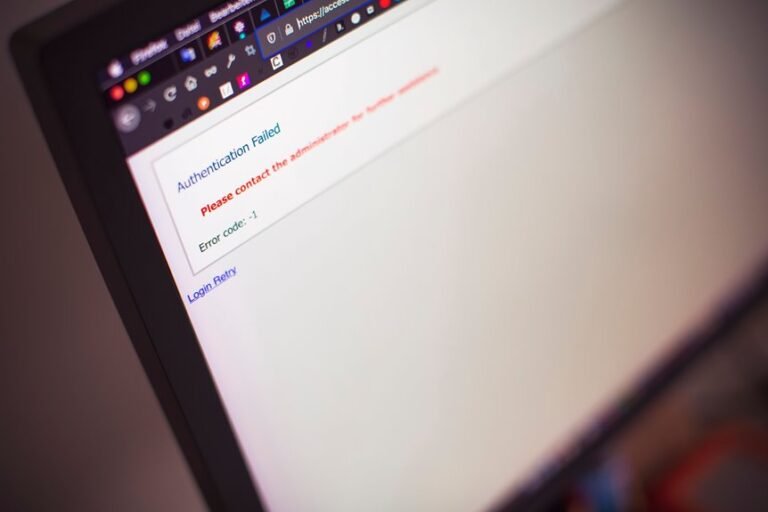
Login failure may indicate a timeout; the page remains reachable but authentication stalls. To restore access, perform a password reset, verify network stability, clear cached credentials, and retry after a brief wait, ensuring synchronized device and router clocks.
Can Multiple Devices Share the Same Admin Session?
Sharing a session is not advised; devices cannot reliably share an admin session. It introduces security risks and potential session hijacking, data exposure, and management confusion, undermining control. Each device should maintain separate, secure, authenticated access.
Conclusion
The 1.1.1.8090 router admin page is the centralized control point for configuring networks, security, and firmware. By locating the device’s default IP and credentials, administrators can access and tailor settings, safeguard the dashboard, and stay current with updates. In a hypothetical case, a small business owner discovers weak Wi‑Fi protection after a vulnerable default login; they quickly change credentials, enable WPA3, and schedule firmware updates, restoring network integrity and reducing risk. Regular verification and documentation ensure ongoing reliability.