BySonu
ip192.168.10.1 Router Admin Login and Configuration Guide
Accessing ip192.168.10.1 requires a precise sequence: verify the device is on the same network, connect via Ethernet or a secured wireless link, and enter the gateway address to reach the admin login. The procedure emphasizes strong credentials and disabled unused services as foundational steps. Each configuration choice affects security and stability, and careful documentation is essential. As parameters are adjusted, potential tradeoffs emerge that warrant careful consideration before proceeding.
How to Find ip192.168.10.1 and Access the Admin Login
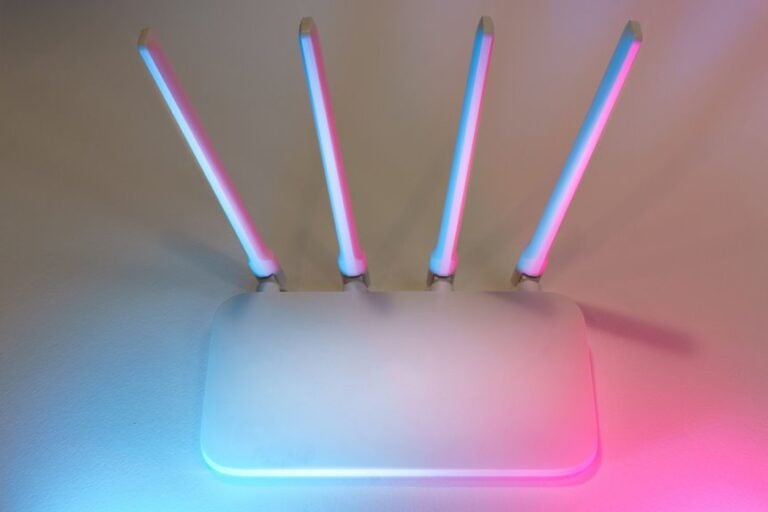
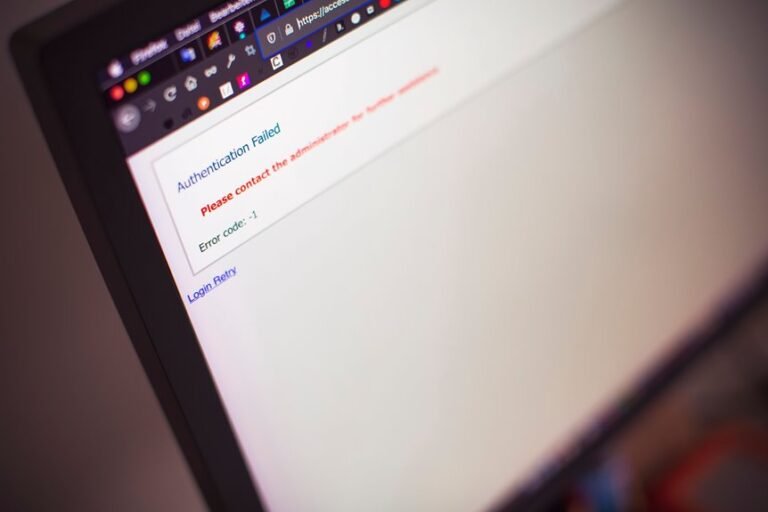
To locate ip192.168.10.1 and access the router’s admin login, begin by ensuring the device is connected to the router via Ethernet or a secure Wi-Fi network.
The process emphasizes remote access viability and device provisioning steps, including verifying network visibility, locating the gateway, and preparing credentials.
Precise configuration details enable controlled, intentional administration with minimal risk.
Secure Your Router: Change Defaults and Set Strong Credentials
After establishing access to the router’s admin interface in the previous step, the next focus is securing the device by changing default settings and establishing strong credentials. The process emphasizes unique administrator names, long complex passwords, and disabling unnecessary services. Implement two word discussion idea 1 and two word discussion idea 2 to guide secure configuration, avoiding insecure defaults and known exploits.
Optimize Wireless and Network Settings for Reliability
Optimizing wireless and network settings for reliability involves a systematic assessment of radio parameters, channel selection, and firmware robustness. Network optimization follows structured testing: measure signal integrity, reduce interference, and validate QoS policies. Wireless reliability improves with stable encryption, up-to-date drivers, and consistent latency. Documentation supports repeatable diagnostics, enabling administrators to maintain performance while preserving user freedom and predictable connectivity.
Manage Guests, Firmware, and Parental Controls for Ongoing Protection
Managing guests, updating firmware, and enforcing parental controls are essential ongoing protections for an IP router environment.
The guide delineates configuring guest access safeguards, isolating guest networks, and limiting device privileges to preserve core network integrity.
Firmware updates are scheduled, verified, and logged.
Parental controls are tuned for time, content, and device exceptions, enabling accountable, flexible control while maintaining network freedom and transparency.
Frequently Asked Questions
Can I Reset the Router Without Losing Custom DNS Setups?
Reset procedures typically erase custom DNS settings unless the device preserves DNS customization during reset. A cautious approach: perform a non-factory reset, export DNS configurations, then reapply after reboot. This maintains DNS customization while restoring baseline router operation.
How to Backup and Restore Router Settings Securely?
Backups should be performed via secure export of configuration files and, where available, cloud-synced images. Restore priorities prioritize preserving wireless security and firmware updates; test after restore. Employ encrypted transfer and verify integrity before applying changes.
Which VPN Types Are Supported on This Router?
VPN types supported depend on the router’s firmware; current models typically include OpenVPN, IPSec, and PPTP/Tunnel. The device may require enabling VPN features and performing a router firmware backups before updates to preserve configurations.
How to Enable Firewall Logging and Alerts?
Firewall logging is enabled via the firewall section; enable alert configuration to notify on anomalies, apply remote access restrictions, and ensure firmware updates are enabled for ongoing security posture.
Can I Port-Forward for Gaming Consoles Securely?
Yes, port-forwarding for gaming consoles can be secure when paired with strict firewall rules, persistent device labeling, and regular firmware updates; this approach minimizes gaming latency while preserving parental controls.
Conclusion
The guide culminates in a disciplined, repeatable security routine: locate the gateway at ip192.168.10.1, verify a stable connection, and log in with unique credentials. It then prescribes firm, procedural hardening—strong passwords, disabled unused services, and regular updates—paired with diligent configuration of wireless, guest networks, and parental controls. The overarching principle is meticulous maintenance; neglect invites risk. In short, consistent, documented practices yield resilient, reliable home networking. Continuous vigilance sustains protection.