BySonu
1921680222 Invalid Router IP Address Guide
This guide examines why a router may display 192.168.0.222 as an invalid gateway. It explains the 192.168.0.0/16 range, possible DHCP and subnet mismatches, and firmware rules that could block 192.168.0.x. It then outlines how to verify gateway and client IP settings and offers step-by-step fixes to restore valid addresses. The goal is repeatable, secure connectivity, but there are decisions to verify and actions to take before moving forward.
What Does 192.168.0.0/16 Mean for Home Networks
The 192.168.0.0/16 designation identifies a private IP address range reserved for local networks. This range supports multiple devices without global routing, enabling private routing tables and straightforward subnetting. Administrators observe network etiquette when configuring devices to avoid conflicts.
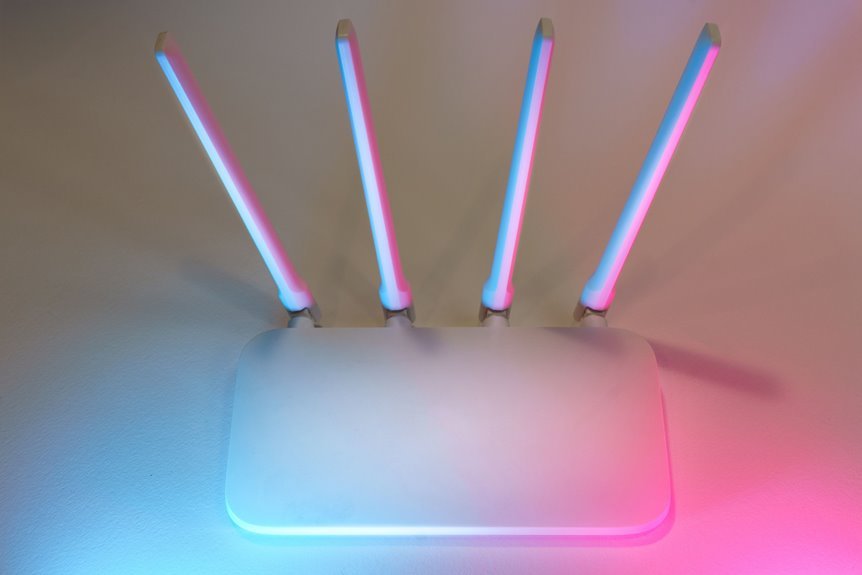
Router aesthetics reflect organization, labeling, and consistent naming.
Properly documented addressing enhances reliability, troubleshooting, and user autonomy within home networks.
Why Your Router Rejects 192.168.0.x Addresses
Why does a router reject 192.168.0.x addresses?
The device banners a protected boundary between private ranges and local networks, enforcing network security. Some routers block 192.168.0.x due to firmware rules or overlapping DHCP scopes. Hardware compatibility concerns arise when older equipment misinterprets subnets. In practice, admins adjust settings, ensuring legitimate addressing without compromising access or security posture.
How to Verify Your Gateway and IP Configuration
To verify gateway and IP configuration, begin by checking the device’s network settings to confirm the assigned IP address, subnet mask, default gateway, and DNS servers match the expected values for the network.
Then compare against router documentation, test connectivity, and note any discrepancies.
verify gateway and ip configuration; home networks require accurate data for reliable, autonomous operation.
Step-by-Step Fixes for the 192.168.0.x IP Issue
This section outlines concrete, step-by-step fixes for devices experiencing the 192.168.0.x IP range conflict. Administrators perform a controlled reset of DHCP settings, verify subnet consistency, and reassign addresses within authorized ranges. Documented troubleshooting workflow tracks changes, confirms connectivity, and audits access. Emphasize network security, minimize exposure, and implement repeatable checks to sustain reliable, freedom-respecting network operations.
Frequently Asked Questions
Can I Use 192.168.0.X for Devices on a Guest Network?
Yes, it is possible to use 192.168.0.x for devices on a guest network, with proper isolation and separate DHCP scope. Two word discussion idea1: network segmentation. Two word discussion idea2: guest isolation.
Are 192.168.0.0/16 Addresses Insecure by Default?
Yes, 192.168.0.0/16 addresses are not insecure by default; Router IPs within Private Networks are safe with proper isolation. For Guest Access, ensure DNS Conflicts are minimized and maintain segregated DNS to protect Guests.
How Do I Reset Router DNS Settings for 192.168.0.X?
Resetting router DNS involves accessing the device, locating DNS settings, and restoring defaults or entering desired values. The process for 192.168.0.x entails: resetting WAN DNS, configuring WAN DNS, then applying; update firmware and check hardware firewall rules.
Do Isp-Provided Modems Influence 192.168.0.X Conflicts?
ISPs often provide modems that can influence 192.168.0.x conflicts by default network segmentation; reboot security, firmware updates should be applied to mitigate issues. Procedure: reboot device, verify subnet, apply firmware updates, recheck address assignments, maintain independence.
What Are Common IP Conflicts With 192.168.0.X Devices?
A colossal risk looms: IP conflicts with 192.168.0.x commonly arise from identical DHCP assignments and static overlaps. These incidents resolve through conflict resolution steps and careful subnet planning, ensuring unique addresses and consistent gateway configurations for freedom-loving networks.
Conclusion
Conclusion:
In sum, 192.168.0.x addresses fall inside the 192.168.0.0/16 private range, so mismatches often cause gateway rejections. A typical fix involves verifying the DHCP scope, subnet mask, and default gateway on both router and clients, then performing a controlled DHCP reset to reassign valid addresses. Interestingly, most home networks rely on a single router to manage 80% of IP assignments, underscoring the importance of correct 192.168.0.x configuration to maintain reliable connectivity.